CHAPTER 12: A Child Is Not Evidence
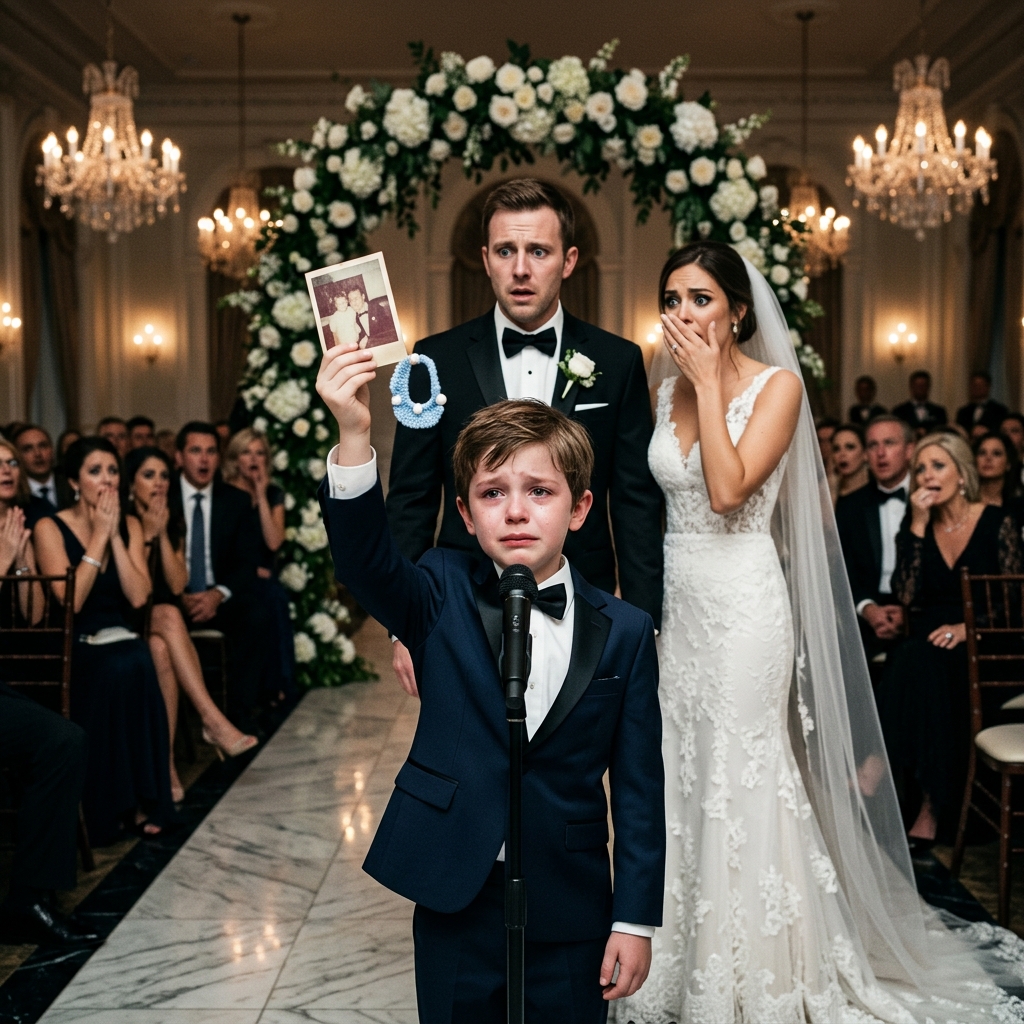
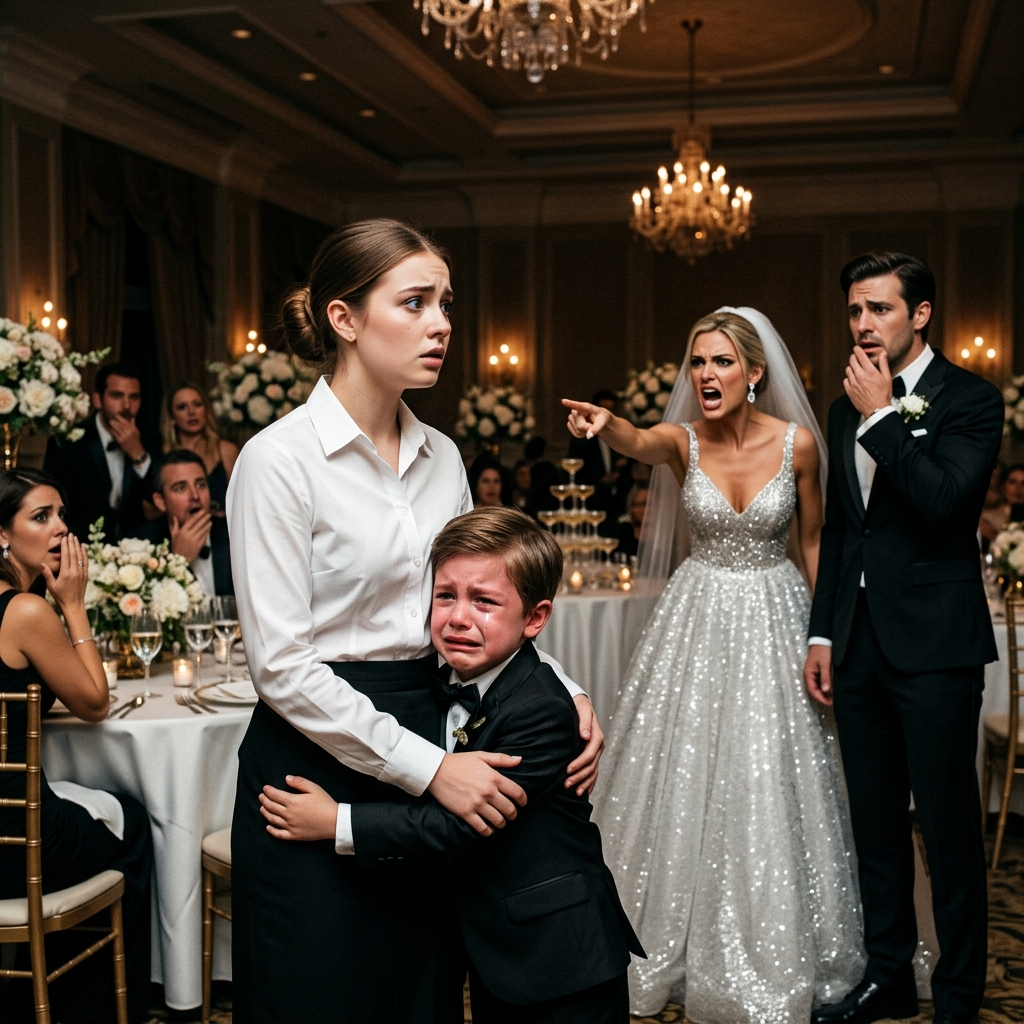
Before Grant’s trial, Maya made an unusual request.
She asked the court to limit Noah’s testimony.
The defense wanted him questioned in person about the letter, the hidden speakers, and what Grant said.
Maya argued that most facts were supported by recordings and physical evidence. Forcing Noah to repeat everything would serve spectacle more than truth.
Grant’s attorney accused Clara of hiding the child.
Clara stood outside the courtroom while the lawyers debated.
Part of her wanted Noah’s voice heard.
Another part recognized how easily adults praised a brave child while asking him to remain brave for their benefit.
Judge Ellison ruled that Noah would answer a short set of questions through a recorded interview with a child specialist. He would not enter the main courtroom.
The decision angered reporters.
It relieved Noah.
“Do I have to save the case?” he asked.
“No,” Clara said.
“Then who does?”
“The adults whose job it is.”
During the interview, Noah confirmed finding the letter and hearing Grant threaten Clara. He was not asked to interpret motives or choose between parents.
When the specialist finished, Noah asked one question.
“Will telling the truth make him hate me?”
The specialist answered, “His feelings are not your responsibility.”
The recording ended there.
Maya chose not to play that final question publicly.
She believed some moments belonged to the child, not the case.
Clara thanked her.
The prosecution built its argument from documents, recordings, financial transfers, and adult witnesses. Noah’s testimony supported the structure but did not carry it.
That distinction mattered.
The media still called him “the boy who stopped the gavel.”
Clara asked outlets to stop using his name.
Some complied.
Others did not.
She worked with the legal support fund to propose stronger privacy protections for children in custody cases.
Judge Harris joined the effort after leaving the bench temporarily during the ethics review.
“I used to believe transparency always protected the public,” she told Clara. “Now I understand that exposure can become another form of harm.”
Clara did not fully trust her yet.
But trust, she had learned, could be rebuilt through consistent action rather than dramatic apologies.
At home, Noah planted a small tree from his green notebook drawing.
Clara helped him press soil around the roots.
“Will it grow fast?” he asked.
“No.”
“Will we know every day?”
“Probably not.”
He considered this.
“So it changes even when we can’t see it?”
“Yes.”
Noah smiled.
Healing, Clara thought, was like that.
Not a single ruling.
Not a letter.
Not a gavel.
A quiet process taking root beneath ordinary days.