CHAPTER 14: What Victor Could Not Buy
Elena’s first months as trustee were more difficult than the court battle.
The estate carried debt hidden through Grant’s companies. Several businesses under the Vance name relied on unfair contracts and underpaid labor. Selling everything would have been simple.
Repairing it required patience.
Elena hired independent auditors, paid missing wages, and removed managers who had treated staff as disposable. She converted part of the estate into a training center for domestic workers, caregivers, and immigrants navigating employment law.
Some relatives called her ungrateful.
“They think you are destroying the family legacy,” Victor told her.
Elena looked at the payroll records. “A legacy that depends on silence deserves to be destroyed.”
Victor did not argue.
He moved out of the master suite and into a smaller apartment on the estate grounds. Elena had not asked him to leave, but he said the house should stop arranging itself around his authority.
Their relationship grew through ordinary moments.
He visited Rosa’s bakery before opening hours. He learned Elena disliked expensive flowers but loved old mystery novels. She learned he drank tea when anxious and kept every birthday card he had once written to his missing daughter.
He had written twenty-seven.
He gave them to Elena without asking her to read them.
Rosa struggled too. She feared wealth would take Elena away more effectively than kidnapping ever had.
One evening, Elena returned to their old apartment and found Rosa packing.
“I thought you would want to live at the estate,” Elena said.
“I do not belong there.”
“Neither did I. That is why we are changing it.”
Elena asked Rosa to manage the new family-support foundation, but Rosa refused the title until Elena promised she could argue with the board.
Victor established a restitution fund using his personal shares. It supported families harmed by Grant’s schemes and financed the reopening of cold missing-child cases.
The first case solved involved a woman separated from her brother for thirty years.
At the reunion, Elena watched them embrace and understood that money could not restore lost time, but it could remove barriers between people and the truth.
Celeste wrote letters from prison. Most were addressed to Noah. Some were addressed to Elena but required no reply.
In one, she wrote:
I used to believe the worst moment of my life was when Victor said you owned the house. Now I know it was the moment before that, when I believed I had the right to strike you.
Elena folded the letter and placed it in Noah’s protected file.
Forgiveness had not arrived.
But accountability had stopped being only punishment.
It had become the beginning of change.
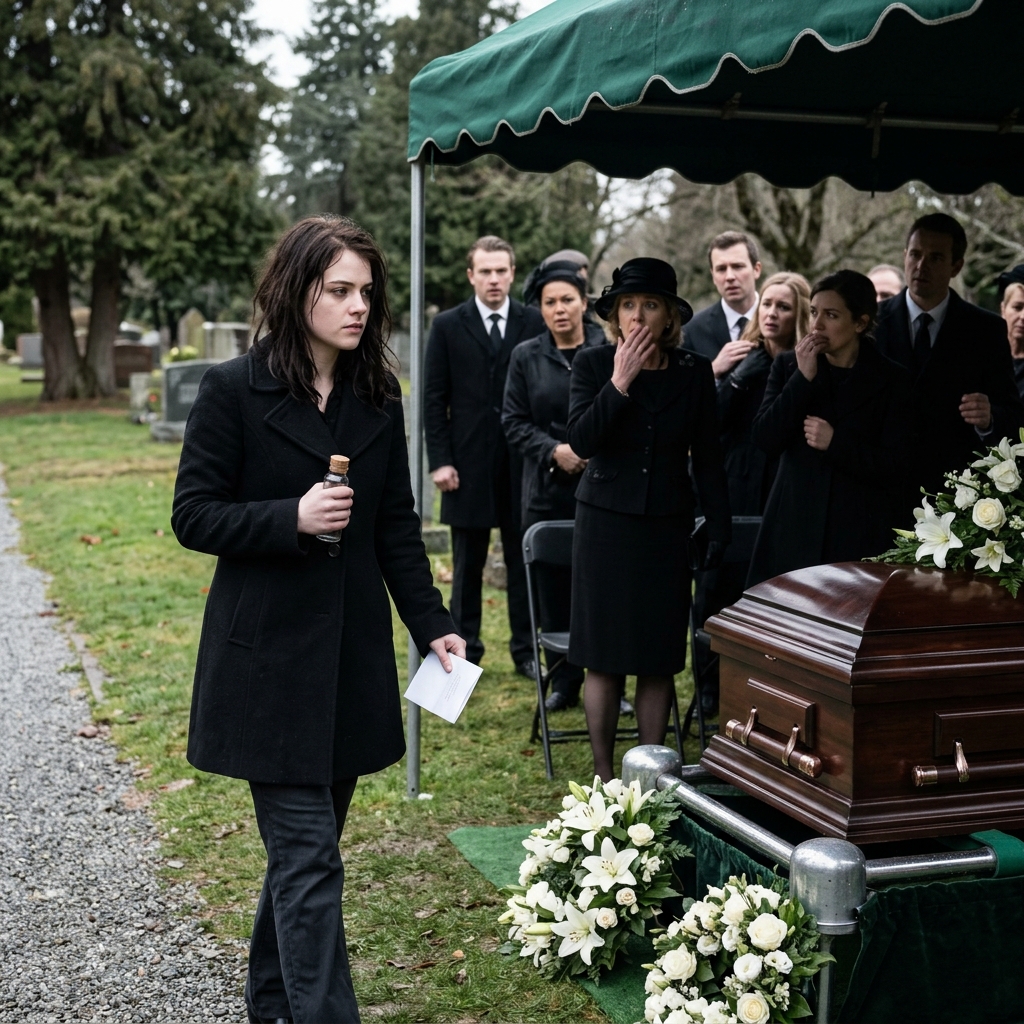
On the anniversary of Isabella’s death, Victor asked Elena to visit the family cemetery.
At the grave, he whispered, “I found her.”
Elena took his hand.
“No,” she said gently. “We found each other.”